
長者町スクール・オブ・アーツとは
ABOUT CHOJAMACHI SCHOOL OF ARTS
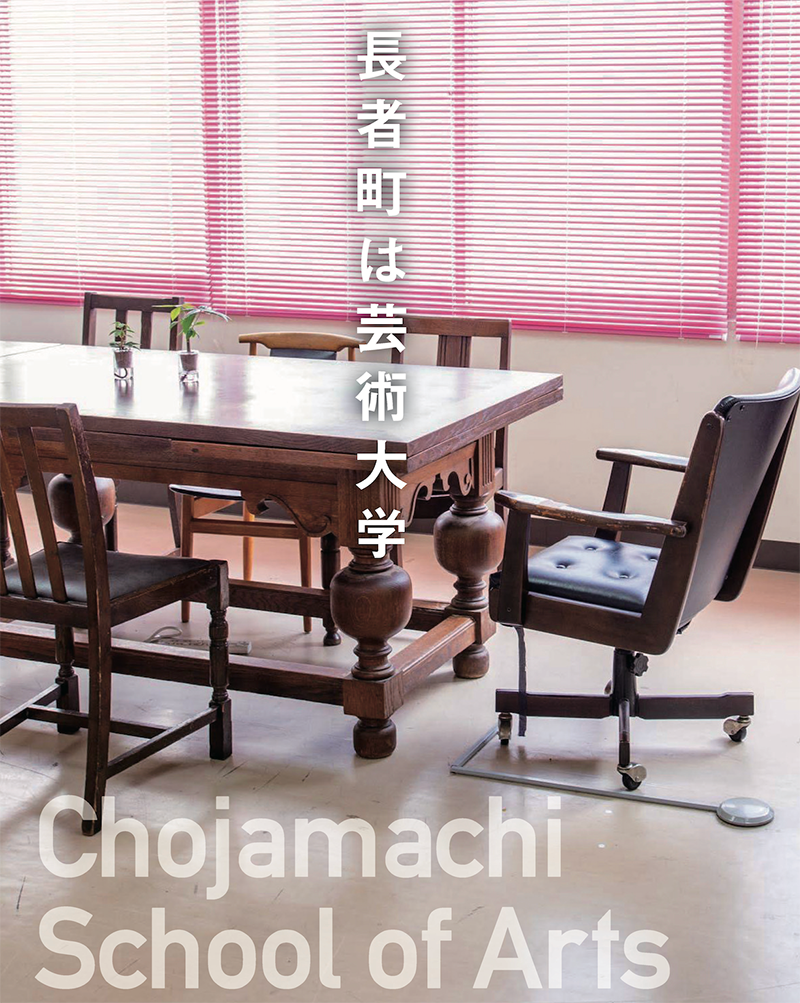
長者町スクール・オブ・アーツとアート・ファーミング
愛知県名古屋市の中心部、中区錦二丁目「長者町」が過去約 20 年に渡って、まちづくりにアートを取り入れてきた事や、 2010年から始まった 3 年に一度の芸術祭「あいちトリエンナーレ」のまちなか会場を 3 度、約 10 年にわたって務めてきたことをきっかけに 様々なアーティストやデザイナー、プロデューサーといったクリエイター達やアカデミア達がこのエリア に注目し、それぞれに場の経済とも結びつきながら、住人でありつつ外側からの視点も持って活動を継続しています。
現在、長者町エリアには高い技術やアイデアを持ったクリエイター達がそれぞれに運営するアトリエやギャラリー、 デザインスタジオ、アートの企画事務所等があり、また小さな塾や学校、ワークショップ等も点在し、だんだんと仕事帰り の会社員や主婦など、大人達のための学びの街という側面も育ちつつあります。
「長者町スクール・オブ・アーツ」は、ガッ チリしたひとつの学校組織ではなく、この街や、その周囲で様々な形で創作活動や芸術の教育・普及に関わり、個々に 活動するクリエイターの点をつないだネットワークで、クリエイターズ・コレクティブと呼ばれるような組織です。 街おこしの為というわけではなく、十分に成熟し経済も回るこの街を、どう面白く、教育的で、クリエイターを生み出 していく場にしていくかということを、それぞれが独立した立場のまま考え、時に共通の目標のため協働して実現してい こうとしています。
ここに集う面々は、アーティストや芸術の教育者のみならず、アートにあまり縁のない仕事や暮らしをしている会社員や主婦、 自営業と様々ですが、長者町スクール・オブ・アーツが 作り出す「場」に参加するうちに、自らの表現活動を始めたり、 企画を考えたりする「送り手」に変わっていきます。
2018年に発足した、この長者町スクール・オブ・アーツの最初の企画はART FARMing プロジェクト(2019年)と呼ばれる企画でした。 この時の限られた場所を生かして、自らの糧を手作りする手段を考える「都市農業アートの試み」を表すキーワードであるこのART FARMing (アート・ファーミング)は、その後、このまちに集まる人々の中、限られた場所や人の集まりの話合いの中から生まれてきた思いつきを形にして、「創る人、創る場所」を生み出していこうとする集まりの方向性を象徴するものになっていきました。
人々の糧は農業に限らず、経済や歴史、美術や文化、科学や技術等々と多岐にわたっています。これからも、自らこれらを知り、考え、手作りするきっかけを作り続けて、社会の為のゆるやかな学園のような場であれればと我々は考えているのです。
Chojamachi School of Arts 代表 山田亘
Chojamachi School of Arts & ART FARMing
Over the past 20 years, Chojamachi—located in the Nishiki 2-chome area of Naka Ward, the heart of Nagoya City, Aichi Prefecture—has been integrating art into its urban development efforts. Since 2010, the area has also served as one of the urban venues for the Aichi Triennale, an international art festival held every three years. Having hosted the Triennale three times over approximately a decade, Chojamachi has increasingly drawn the attention of various creatives—including artists, designers, producers, and academics. These individuals, while often being local residents themselves, maintain an external perspective as they continue engaging in activities that organically connect with the local economy.
Today, the Chojamachi area is home to a growing number of ateliers, galleries, design studios, and art planning offices run by highly skilled and creative individuals. Small schools, workshops, and learning hubs are also scattered throughout the district. Over time, Chojamachi has begun to emerge as a “town of learning” for adults, attracting company employees, homemakers, and others who stop by after work to engage in creative education and dialogue.
The “Chojamachi School of Arts” is not a formal educational institution. Rather, it functions as a loosely connected network of individuals engaged in artistic creation and arts education within and around the Chojamachi area. It can be described as a type of “creators’ collective.” Its purpose is not merely to revitalize the town; instead, it seeks to explore how this already vibrant and economically active district can become an even more engaging, educational, and generative space for creativity. Each member maintains their independence while occasionally collaborating toward shared goals.
Participants in this collective include not only artists and educators, but also people with little to no prior connection to the arts—such as office workers, homemakers, and the self-employed. However, through engagement with the “spaces” created by the Chojamachi School of Arts, many of these individuals begin to initiate their own creative practices, develop new projects, and ultimately shift from passive observers to active creators and organizers.
The Chojamachi School of Arts was officially launched in 2018, with its inaugural project being the ART FARMing Project (2019). This initiative, focused on utilizing limited urban spaces to consider self-sufficient modes of production, introduced the concept of “urban agricultural art.” The term ART FARMing has since come to symbolize the collective’s overall direction—a shared commitment to transforming spontaneous ideas emerging from people and conversations into tangible “creators and creative spaces.”
The nourishment people seek is not limited to agriculture. It spans economics, history, art, culture, science, technology, and beyond. As we continue to provide opportunities for people to learn, reflect, and handcraft their knowledge and skills, we hope to maintain Chojamachi as a gentle, inclusive school-like environment—a place of learning for the benefit of society.
Representative of Chojamachi School of Arts Ko Yamada